


TAURAI MHAKA
In a conference room in Windhoek, economists, diplomats, business leaders and policymakers gathered to discuss what could become one of the most significant developments in Africa’s trade relationship with China in decades.
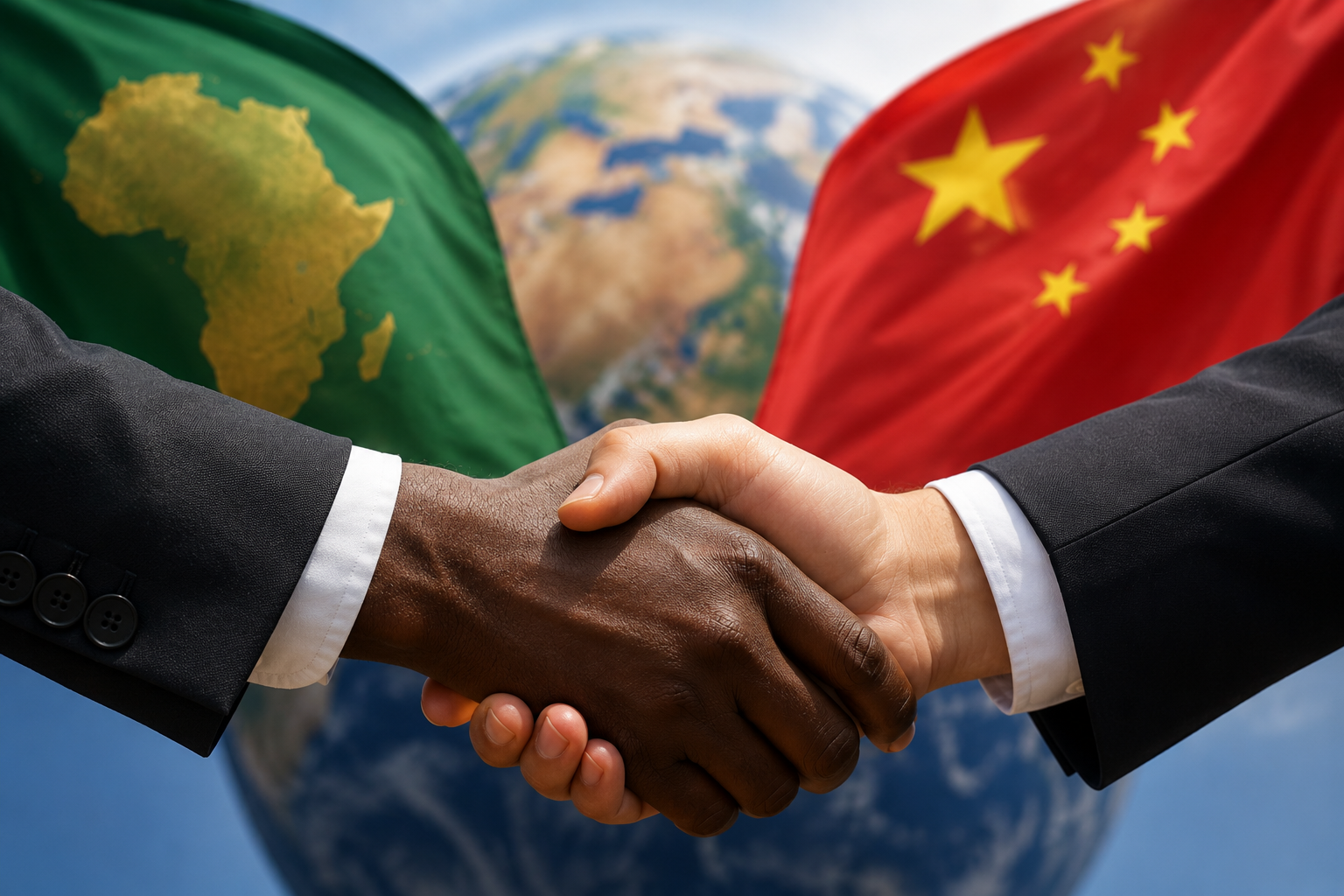
The occasion was China’s decision to grant zero-tariff access to imports from all 53 African countries with which it maintains diplomatic relations, a move that could reshape how African products enter one of the world’s largest consumer markets.
For some, the announcement represents a welcome boost for exports. For others, it presents something even more important: an opportunity to accelerate industrialisation, create jobs and move African economies beyond their traditional dependence on raw commodity exports.
That question dominated discussions during a recent economic seminar hosted by the Chinese Embassy in Namibia.
“China took the lead in reducing tariffs under the framework of the Economic Partnership Agreement for Shared Development, aiming to rapidly ease market access for African goods, promote more high-quality African products to enter China’s massive market and help African countries develop industries, increase income and improve people’s livelihoods,” said Wei Jinming, Economic and Commercial Counsellor at the Chinese Embassy in Namibia.
The policy, which took effect on 1 May 2026, makes China the first major economy to unilaterally extend comprehensive zero-tariff treatment to all African countries with which it maintains diplomatic relations.
It also comes at a time when China-Africa economic ties are reaching new heights.
According to figures presented during the seminar, trade between China and Africa reached a record US$348 billion in 2025, an increase of 17.7 per cent from the previous year. China has remained Africa’s largest trading partner for 16 consecutive years, while Chinese investment stock on the continent now exceeds US$40 billion and supports more than 3,500 Chinese enterprises operating across Africa.
Beyond exporting more
While the removal of tariffs is expected to make African goods more competitive in China, many participants argued that the real opportunity lies beyond increasing export volumes.
For decades, African economies have largely exported raw commodities while importing finished goods, a model that has often limited job creation and industrial growth.
The question now is whether easier access to China’s market can help change that equation.
University of Namibia economist Dr Muine Samahiya believes it can.
“African countries’ exports to China are mainly primary products,” he said.
“My concern, especially in Namibia, is employment creation. The positive news is that this policy could help Namibia process some of its primary products, because I think that’s where the country is going forward.”
His comments echo a broader debate taking place across Africa.
From cocoa-producing Ghana and coffee-exporting Ethiopia to copper-rich Zambia and lithium-producing Zimbabwe, governments are increasingly seeking ways to capture more value from the resources they produce.
The objective is simple: export more finished and semi-finished products, create more jobs and build stronger industries at home.
From commodities to competitiveness
Chinese Ambassador to Namibia Zhao Weiping suggested that the next phase of China-Africa trade should focus not only on market access but also on value addition and industrial cooperation.

“China has no problem with your aspiration for value addition,” Zhao said.
“We will spend more energy helping attract some Chinese manufacturers to Namibia to set up companies such as food processing.”
Using Namibia’s beef industry as an example, he proposed that Chinese and Namibian businesses could work together to process products locally before exporting them to China.
“You produce a lot of beef, and now you are exporting beef to China, but it’s raw beef,” he said.
“Can we think of setting up a factory here to produce dried beef according to the Chinese taste and then export it back to China? I think it’s workable.”
The same principle could apply to a wide range of African products, from agricultural goods to minerals and manufactured products.
For many African policymakers, that possibility is particularly attractive because it links trade directly to industrialisation and employment.
A potential game changer
Supporters of the initiative believe the policy could help attract new investment into manufacturing, logistics and processing industries across the continent.
For Namibia, products such as beef, mutton, grapes, blueberries and aquatic products now enjoy duty-free access to China’s market, potentially improving their competitiveness and opening new commercial opportunities.
Economist Joseph Sheehama described the policy as a significant opportunity for both Namibia and the continent.
“This is a game changer for Africa and Namibia,” he said.
“It promotes industrialisation by ensuring multiple stages of the value chain within the region, as well as supporting employment creation.”
The benefits could extend well beyond individual industries.
With Africa’s population expected to continue growing rapidly, industrial development remains one of the continent’s most pressing economic priorities. Manufacturing and value addition are widely viewed as essential for creating jobs, reducing dependence on commodity exports and strengthening economic resilience.
The work still to be done
Yet participants were also mindful that zero tariffs alone will not industrialise Africa.
Infrastructure deficits, energy shortages, financing constraints, logistics bottlenecks and skills gaps continue to limit the competitiveness of many African industries.
Access to China’s vast market may create new opportunities, but African businesses must still be able to meet quality standards, increase production and compete effectively.
The challenge therefore extends beyond trade policy.
It is about whether African countries can leverage this opening to accelerate broader economic transformation.
That means investing in processing facilities, supporting manufacturers, improving infrastructure and creating business environments capable of attracting long-term investment.
A new chapter in Africa-China trade
What made the discussions in Windhoek particularly significant was that they focused not only on trade flows but on the future shape of Africa-China economic relations.
For decades, the relationship has been defined largely by Africa exporting raw materials and importing manufactured products.
The zero-tariff initiative presents an opportunity to rethink that model.
Whether it is cocoa processed in Ghana, coffee roasted in Ethiopia, lithium refined in Zimbabwe, copper transformed in Zambia or beef processed in Namibia, the broader ambition is the same: keeping more value, jobs and economic activity within Africa.
The policy itself does not guarantee that outcome.
But it creates an opportunity that many African leaders have long argued for — greater access to global markets combined with stronger incentives for industrialisation.

