



By TAURAI MHAKA
The United Kingdom has appointed two seasoned diplomats with extensive African experience to lead its missions in Nigeria and Liberia, signalling London’s continued emphasis on regional expertise as it deepens its engagement with West Africa.
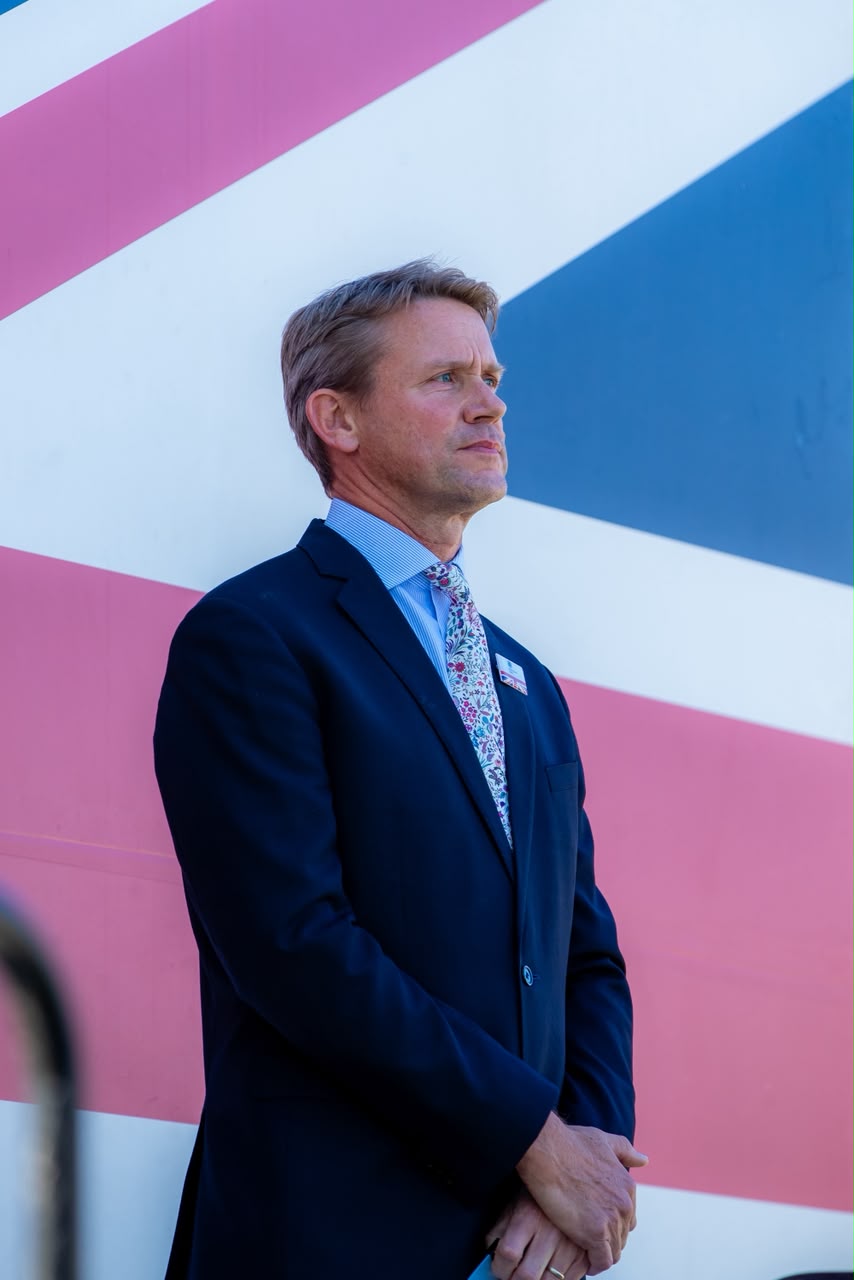
Former British Ambassador to Zimbabwe, Peter Vowles, will become British High Commissioner to Nigeria in September, succeeding Dr Richard Montgomery, while Paul Simister has been appointed His Majesty’s Ambassador to Liberia, taking over from Neil Bradley.
The appointments, announced by the UK’s Foreign, Commonwealth and Development Office (FCDO), place two development-focused diplomats at the helm of British missions in a region that has become increasingly central to discussions on trade, security, migration, climate resilience and international investment.
While both appointments are routine diplomatic transitions, they also reflect a broader trend within British diplomacy: the growing reliance on officials whose careers have been shaped by long-term engagement with African institutions and development partnerships.
For Vowles in particular, the move marks another chapter in a career that has repeatedly brought him back to the continent.
From Harare to Abuja
For many in southern Africa, Peter Vowles is a familiar figure.
He concluded his tenure as British Ambassador to Zimbabwe earlier this month after a three-year posting that was widely characterised by an energetic approach to public diplomacy.
Throughout his time in Harare, Vowles built a reputation for stepping beyond traditional diplomatic engagements, regularly interacting with communities, businesses, artists, students and civil society organisations.
His social media presence, willingness to travel outside the capital and efforts to showcase Zimbabwean culture earned him visibility that extended beyond diplomatic circles.
Yet his relationship with Zimbabwe stretches back more than three decades.
Before joining Britain’s development agency, the Department for International Development (DFID), Vowles worked as a teacher for Zimbabwe’s Ministry of Education, Sport and Culture between 1992 and 1993.
He later returned to the country between 1996 and 1999 as Policy and Programme Manager for Students Partnership Worldwide.
Those early experiences would help shape a career that increasingly blended development policy with diplomacy.
After joining DFID in 2006, Vowles held senior assignments in Afghanistan, India and the Democratic Republic of Congo before taking on leadership roles in London.
He later served as DFID Country Director in Kenya and Director for Asia, the Caribbean and Overseas Territories.
His diplomatic postings have included ambassadorial assignments in Myanmar and Zimbabwe, alongside a period as Transformation Director at the FCDO.
Nigeria now represents one of Britain’s most strategically significant African relationships.
Africa’s most populous nation is a major economic and political actor, a leading energy producer and one of the UK’s largest partners on the continent.
The posting will place Vowles at the centre of discussions ranging from trade and investment to regional security and climate resilience.
It will also test a diplomatic style that has become closely associated with his name: accessible, visible and heavily invested in building relationships beyond government institutions.
A development specialist heads to Monrovia
While Vowles arrives in Nigeria with ambassadorial experience, Paul Simister brings a career rooted in economic development, finance and health security.
Simister takes up his appointment in Liberia after serving in a series of senior FCDO roles focused on Africa.
Most recently, he was Deputy Head of the West Africa Department.
His previous assignments have included leading teams responsible for global health security, climate and nature policy, financial services and private sector development.
Like many of Britain’s contemporary diplomats, Simister’s career reflects the increasing convergence between development and foreign policy.
His African experience includes serving in Cameroon as Development Counsellor and non-resident Deputy Ambassador to Gabon between 2021 and 2023.
He also served in Abidjan as the UK’s adviser to the African Development Bank, giving him first-hand exposure to the continent’s multilateral financing institutions.
Liberia presents a different diplomatic landscape from Nigeria.
Although smaller in size and population, the country occupies an important position in West Africa’s democratic and economic trajectory, with priorities that include infrastructure development, economic diversification and climate adaptation.
Simister’s background in development finance and health security may prove particularly relevant as governments increasingly seek integrated solutions to economic and environmental challenges.
Diplomacy shaped by development
The appointments also illustrate a broader transformation within Britain’s diplomatic service.
Increasingly, the UK’s overseas missions are being led by diplomats whose careers have been forged not only in foreign ministries but also in development agencies, multilateral institutions and international programmes.
The merger of DFID with the Foreign and Commonwealth Office in 2020 accelerated that shift, creating a foreign policy model that places development, security and diplomacy under a single framework.
The careers of both Vowles and Simister reflect that evolution.
One built his reputation through public diplomacy and long-standing ties with communities across Africa. The other emerged from a background in economic development, health security and international finance.
Together, their appointments suggest that contemporary diplomacy is becoming less about traditional statecraft alone and more about managing the increasingly interconnected challenges facing nations.
Trade, migration, climate change, public health and security are no longer treated as separate policy areas. They have become part of the same diplomatic conversation.
As Vowles prepares for Abuja and Simister begins his tenure in Monrovia, both diplomats will enter a region whose influence on global affairs continues to grow.
Their appointments may therefore be viewed as more than routine postings.
They offer a glimpse into how Britain is reshaping its diplomatic footprint in Africa: by placing long-term regional experience at the centre of its engagement strategy.


