


By TARUAI MHAKA
The United Kingdom has publicly thanked Pakistan for its role in helping broker a peace agreement between the United States and Iran, as London moved to deepen a broader security partnership with Islamabad during a two-day ministerial visit.
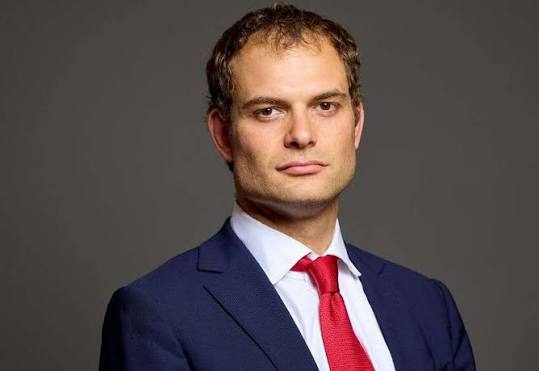
The acknowledgement came as UK Minister for the Middle East, Afghanistan and Pakistan, Hamish Falconer, met Pakistan’s Deputy Prime Minister and Foreign Minister, Ishaq Dar, in Islamabad.
The visit carried two clear messages from London: support for Pakistan’s role in easing one of the most dangerous geopolitical crises in recent years and an expansion of joint efforts to tackle illegal migration, organised crime and regional security challenges.
“The news of a US-Iran deal is a hugely significant moment and I am pleased to convey my personal thanks, and that of the UK, to Pakistan during my visit here in Islamabad,” Falconer said.
“Pakistan has played a critical role in brokering this opportunity for regional stability and we stand ready to work together to support a path to lasting peace.”
The UK also announced an additional £8 million package to strengthen cooperation with Pakistan on border security, visa systems and law enforcement efforts targeting people-smuggling and human trafficking networks.
The funding will support programmes designed to improve identity verification systems, strengthen investigations into organised criminal groups and fund community-based initiatives aimed at addressing the underlying causes of irregular migration.
A conflict that threatened global stability
The breakthrough comes after weeks of heightened tensions between the United States and Iran that raised fears of a wider regional war.
Although the two countries have been rivals since the 1979 Iranian Revolution, the latest escalation brought fresh concerns that a broader conflict could engulf the Middle East and disrupt international trade.
International concern focused particularly on the Strait of Hormuz, one of the world’s most strategically important shipping routes and a critical artery for global oil supplies.
A prolonged conflict risked disrupting energy markets and triggering economic consequences far beyond the region.
While several countries participated in diplomatic efforts to lower tensions, Pakistan emerged as one of the key facilitators in helping bring both sides towards a negotiated agreement.
“We remain grateful for the role Pakistan has played in facilitating negotiations,” Falconer said.
“The UK and our partners will continue to work together to see the full reopening of the Strait of Hormuz.”
Expanding a broader partnership
Beyond the US-Iran crisis, Falconer’s visit highlighted the widening scope of UK-Pakistan relations.
The minister met officials from Pakistan’s Ministry of Interior and the Higher Education Commission to discuss ways of preventing visa abuse and strengthening cooperation on legal migration pathways.
“The UK-Pakistan partnership is critical for safeguarding global, regional and UK national security – working closely together to tackle terrorist threats, visa fraud and serious organised crime,” Falconer said.
“We are taking this partnership and our co-operation to a new level, with additional funding to deter illegal migration and target drivers from the source.”
The minister also met Pakistan’s Special Representative for Afghanistan to discuss tensions between Pakistan and Afghanistan and explore ways of strengthening cooperation against terrorist threats emanating from the region.
Britain said it remains committed to supporting dialogue between the neighbouring countries.
A changing diplomatic landscape
Beyond the announcements made in Islamabad, the visit reflects a wider shift taking place in international affairs.
As competition intensifies among major powers, countries with the ability to maintain relationships across political divides are increasingly becoming indispensable diplomatic actors.
Pakistan’s role in helping facilitate dialogue between Washington and Tehran is one example of this emerging trend.
Unlike traditional alliances that often place countries firmly in one geopolitical camp, today’s diplomacy increasingly rewards those able to build trust with multiple actors simultaneously.
For the United Kingdom, working with such partners is becoming an increasingly important feature of its foreign policy. For Pakistan, it presents an opportunity to strengthen its international profile beyond South Asia.