

When African ambassadors retire, they often take with them decades of institutional memory, negotiating experience and international networks built over a lifetime of public service. For years, policymakers and diplomats have raised concerns about how much of that knowledge disappears when experienced envoys leave office.
The League of African Ambassadors (LAA), launched in Lusaka last year, believes Africa can do more to preserve and mobilise that expertise. The organisation brings together serving and retired diplomats with the aim of strengthening mentorship, knowledge sharing and Africa’s voice in international affairs.
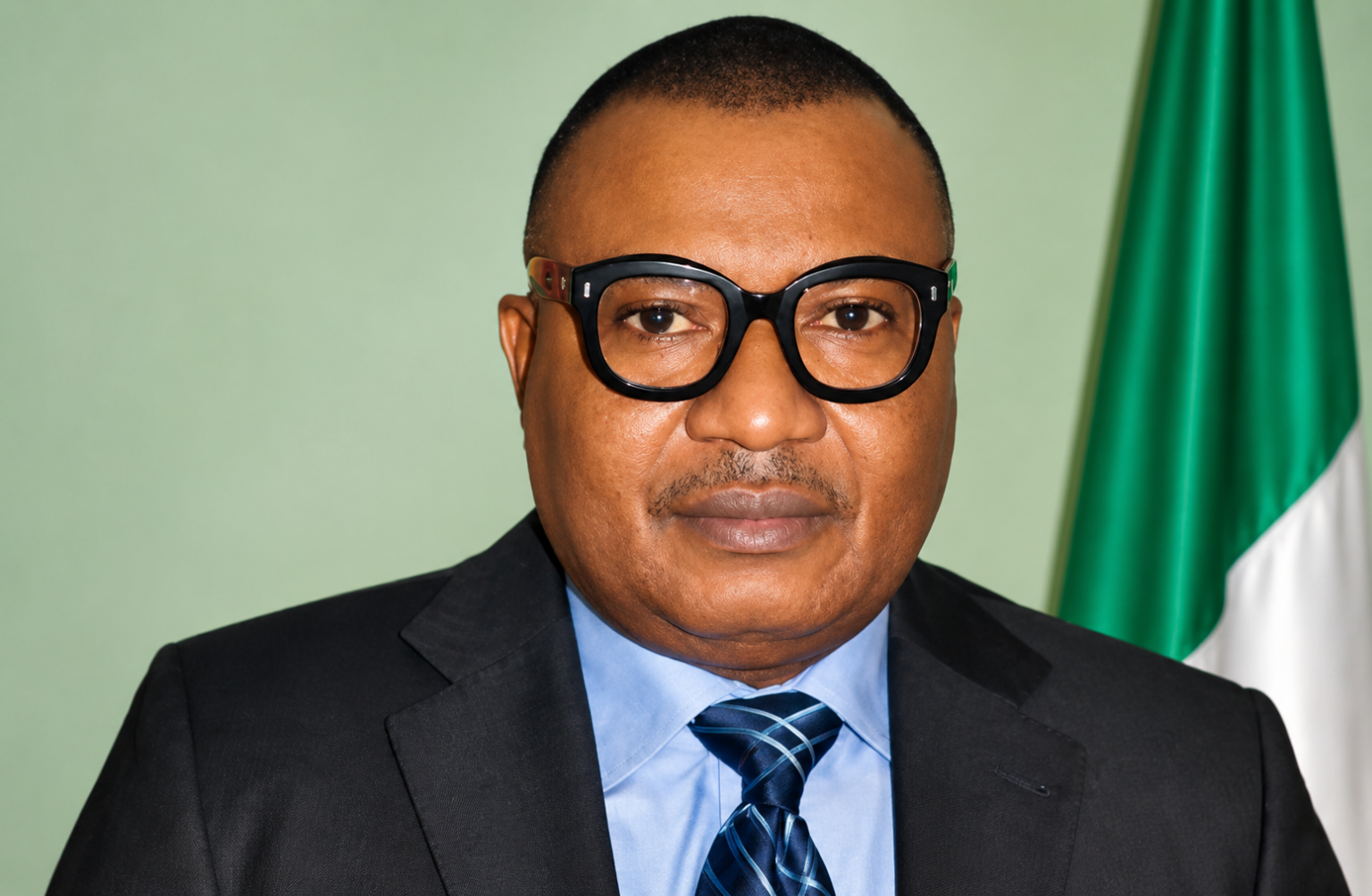
In this conversation with Diplomat Africa, Ambassador John Usanga, Deputy Spokesperson of the League of African Ambassadors, discusses diplomatic brain drain, institutional memory and the League’s vision for turning diplomatic experience into a strategic asset for the continent.
Ambassador Kapambwe once posed a question that resonates with many Africans: “Why should Africa discard its own seasoned minds when the world retains theirs?” Was there a moment in your diplomatic career that convinced you Africa needed a mechanism like the League of African Ambassadors?
The importance of retaining diplomatic experience cannot be overstated. The departure of senior diplomats often results in the loss of institutional knowledge, weakened relationships and missed opportunities.
I witnessed this first-hand through an initiative I helped establish in Guinea-Bissau. Working with South Africa, Cape Verde, UNDP and the Government of Guinea-Bissau, we organised the Bissau Rising Impact Trade and Investment Forum to promote intra-African trade in line with AfCFTA objectives. After several senior diplomats left their postings, including myself, important relationships that had sustained participation from key stakeholders were no longer maintained. It was a reminder that knowledge and networks can disappear quickly if there is no system to preserve them. That is one of the gaps the League seeks to address.
The League often speaks about preserving institutional memory. What does that mean in practical terms for a diplomat who needs advice or expertise?
One of our flagship initiatives is the Compendium of African Diplomats, an online platform that will document the careers, expertise and professional achievements of African diplomats from across the continent and beyond.
The platform will serve as a knowledge bank, making it easier for diplomats, policymakers, researchers and institutions to identify and connect with individuals who possess specialised experience. We see it as a practical tool for collaboration, mentorship and professional networking.
How extensive will this resource be?
It will include serving and former diplomats as well as professionals who have served in institutions such as the African Union, United Nations, European Union, World Bank, IMF, ECOWAS and SADC.
Importantly, it is intended to be a living resource that evolves with Africa’s diplomatic landscape. We want it to reflect not only positions held but also expertise acquired, achievements recorded and lessons learned throughout diplomatic careers.
Some observers argue that diplomacy is built on confidentiality. How does the League balance knowledge sharing with the protection of national interests?
We fully recognise the importance of confidentiality, particularly in matters involving national security and sovereign interests.
Our objective is not to compromise national positions but to strengthen Africa’s collective capacity through mentorship, cooperation and the sharing of appropriate professional experience. We believe there is considerable room for collaboration while still respecting the boundaries established by individual governments and diplomatic practice.
The League is still a young organisation. What would success look like by the end of 2026?
At this stage our priority is building strong foundations. We are developing programmes focused on mentorship, Africa-to-Africa trade promotion, fundraising initiatives and knowledge-sharing platforms.
Like any institution, there is an initial phase dedicated to establishing systems and structures. We are confident that the work being done now will create a platform capable of delivering long-term value to African diplomacy.
One criticism sometimes levelled at continental initiatives is that they become talking shops. What makes the League different?
We are conscious of that concern. However, the League was established precisely because there is a recognised gap between the expertise Africa possesses and the systems available to preserve and utilise that expertise.
Our focus is on creating practical mechanisms that ensure diplomatic knowledge remains accessible to future generations. If Africa is to strengthen its influence globally, it must find ways of preserving the wisdom, experience and networks accumulated by those who have represented the continent over many decades. That is the challenge we have set ourselves.