


TAURAI MHAKA
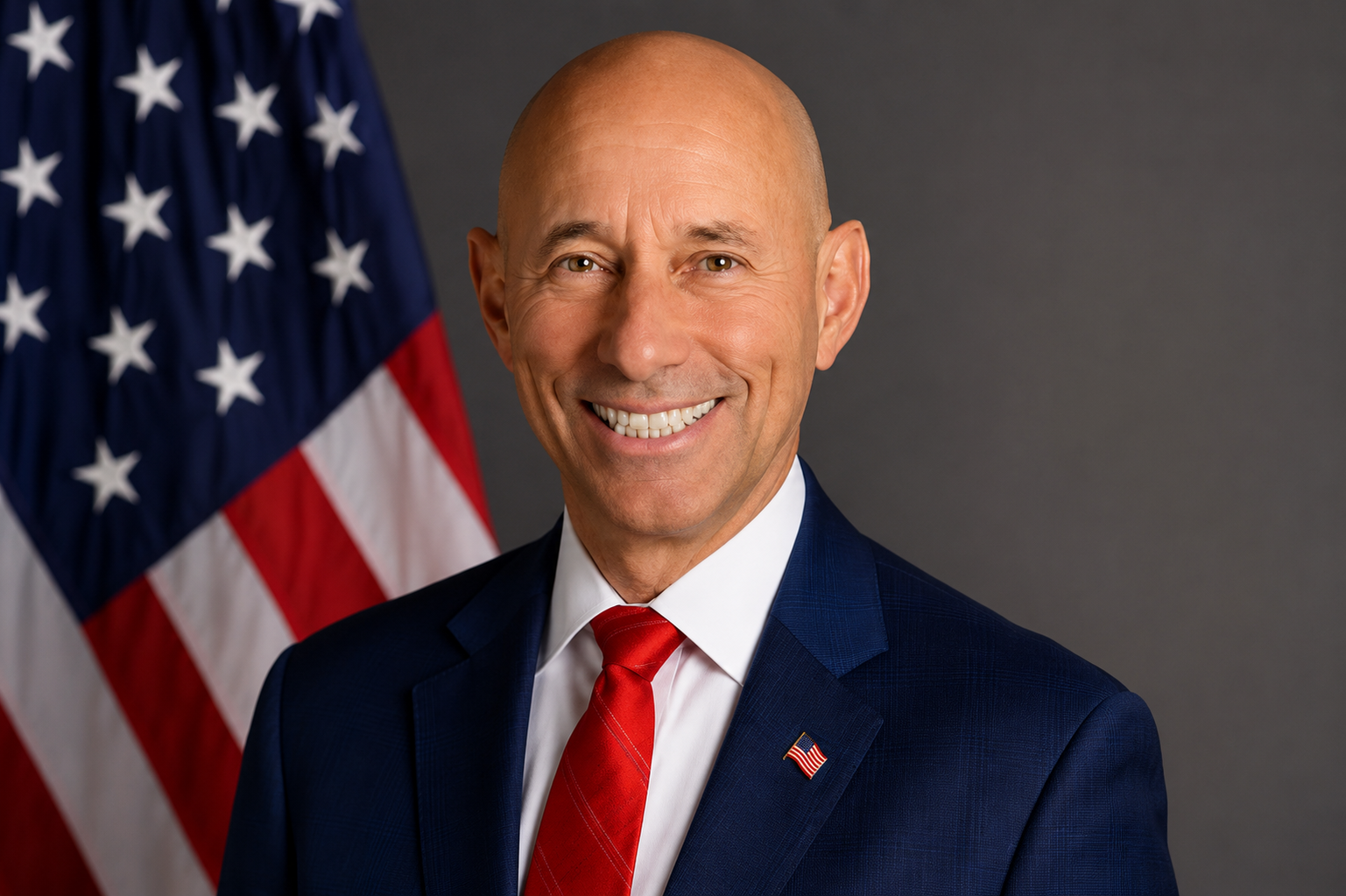
Trade, investment and strategic partnerships are emerging as the defining pillars of Washington’s engagement with Africa, according to U.S. Assistant Secretary of State for African Affairs Frank Garcia.
Over the years, Washington has framed its engagement around development assistance, democracy promotion, security cooperation and economic growth. Different administrations have arrived with different priorities, reflecting changing global realities and evolving U.S. interests.
U.S. Assistant Secretary of State for African Affairs Frank Garcia recently offered insight into how the United States views its future partnership with the continent.
“The Secretary of State has said, America first, but not America alone. This is how we optimise that message in the Africa Bureau. America first outcomes. Every major action should answer, how does this make America safer, stronger, and more prosperous? Secondarily, trade and investment first. Our default posture is commercial diplomacy, finding African partners that want to work with us, want to grow together with us, and optimise the relationship.”
The remarks offer one of the clearest indications yet of how Washington intends to engage with Africa at a time when the continent is attracting growing interest from global powers, investors and development partners.
For African governments seeking capital, technology and expanded market access, Garcia’s comments suggest commercial diplomacy is likely to play a larger role in future U.S. engagement.
“What America first and not America alone means to me is that we want to be able to share the prosperity of the United States of America with African nations who choose to develop their industries and their opportunities along with us. And for me, that’s what America first and not America alone means,” Garcia explained.
The emphasis comes as many African countries pursue industrialisation and economic transformation while seeking new investment partners. It also comes amid increasing competition for influence on the continent from China, India, Türkiye, the Gulf states and European countries.
Garcia also signalled a more targeted approach to development assistance.
For decades, aid programmes have been a significant feature of U.S.-Africa relations, supporting initiatives in health, agriculture, education and governance. While not dismissing the role of assistance, Garcia suggested future programmes would be expected to demonstrate clear results.
“Aid is not an end to itself. Assistance must be targeted, time-limited, measurable, and aligned with U.S. interests,” he argued.
The comments reflect a broader international shift towards results-based development cooperation, while raising questions about how future assistance programmes will be balanced alongside growing emphasis on trade and investment.
Security remains another pillar of Washington’s engagement with the continent.
From the Sahel to the Horn of Africa, instability and extremist violence continue to influence relations between African governments and international partners. Garcia maintained that security cooperation would remain important, while stressing the need to move beyond agreements towards implementation.
“Peace through strength. Paper is not peace. Implementation is peace. We’re focused on preventing attacks against the homeland and U.S. interests. We’ll work through, by, and with our Africa partners.”
The remarks suggest continuity in Washington’s security engagement, even as economic diplomacy takes on greater prominence.
Beyond policy, Garcia described the role as an opportunity to deepen ties between the United States and African nations.
“There’s so much that excites me about this role. First and foremost, just the opportunity to take the United States and everything that we are and have been over 250 years of progress and struggle, and to be able to share that with the African nations and to be part of that. It’s an amazing opportunity, and I’m honoured and privileged to be able to have this position.”
His connection with the continent extends beyond the diplomatic arena.
Recalling one of his most memorable experiences in Africa, Garcia reflected on a visit to Kenya during his time as a naval officer.
“As you may know, I was a naval officer and my ship pulled into Mombasa, Kenya, and it was a wonderful stay. I got to go on a safari, and I got to meet some really amazing people in Kenya. It was a great stop.”
Garcia noted that his engagement with Africa has continued over the past 15 years through congressional delegations and oversight responsibilities focused on the intersection of U.S. national security and African partnerships.
“I have been able to travel to Africa over the last 15 or so years with my oversight responsibilities, travelling with members of Congress, those are known as congressional delegations, or as staff. I have been a specialist in the African continent at the intersection of U.S. national security and our partnerships with Africa.”
While Garcia’s remarks provide insight into Washington’s priorities, their significance for Africa will ultimately depend on how they are translated into policy and practice.
Trade, investment and strategic cooperation have long featured in U.S.-Africa relations. The question for African governments, businesses and institutions is whether Washington’s renewed emphasis on commercial diplomacy will deliver new opportunities, deeper partnerships and tangible economic outcomes for both sides.