
REGINALD CHAPFUNGA
For families receiving electricity, children gaining access to scholarships and rural businesses securing finance, development funding matters most when it moves beyond announcements and produces measurable change.
That was the central message from a United Nations discussion on how limited public resources can reduce investment risks, attract private capital and turn Sustainable Development Goal priorities into projects affecting people’s lives.
“The Sustainable Development Goals were never short on ambition. What they have lacked is capital — capital that moves at the speed and scale our world demands,” UN Assistant Secretary-General Oscar Fernández-Taranco said, delivering remarks on behalf of UN Deputy Secretary-General Amina Mohammed.
Fernández-Taranco said every dollar invested by the Joint SDG Fund since 2019 had mobilised up to US$20 from other sources.
“Proof that when the UN de-risks, convenes and leads with courage, markets follow,” he said.
The discussion, held during the UN General Assembly High-Level Week, examined how governments, development institutions, banks and investors could finance sustainable economic transformation.
Fernández-Taranco said UN support helped Indonesia establish its first sovereign SDG bond. The initiative subsequently grew into billions of dollars in specialised bonds funding vaccines and scholarships for millions of children.
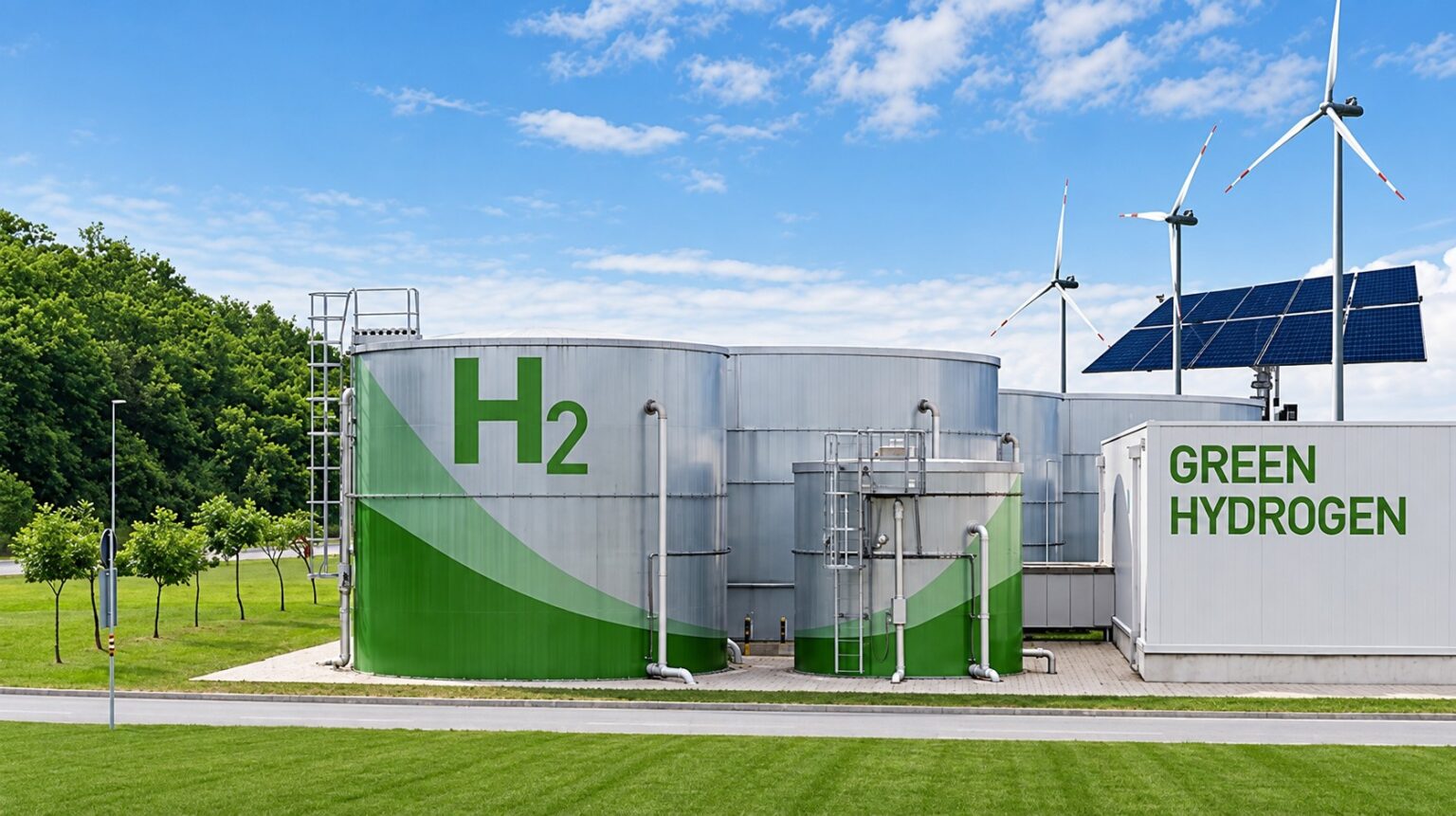
In Uruguay, seven banks representing about 80 per cent of the country’s banking sector have joined a renewable energy investment fund. An initial US$7 million Joint SDG Fund investment also supported the Kahirós green hydrogen project, which seeks to power trucks serving the country’s forestry industry.
That investment helped attract a further US$20 million from the International Finance Corporation and financing from commercial banks.
Juan Ignacio Mazzoni, counsellor at Uruguay’s Permanent Mission to the United Nations, said the project began with a nationally identified need and was developed with the UN Resident Coordinator and relevant state institutions.
“The good thing about this story is to show how all the stakeholders can articulate in order to act together and how resources can be mobilised from various sources,” Mazzoni said.
In North Macedonia, a facility established with the European Bank for Reconstruction and Development and six local banks is directing tens of millions of dollars towards environmental projects for underserved households.
Zimbabwe received US$10 million in seed capital for a renewable energy fund expected to create hundreds of jobs and support a solar park operated by women.
Jamaica is using catalytic financing to strengthen the data systems, digital infrastructure and institutional capacity required to transform its education system.
Cleopatra Parkins, counsellor at Jamaica’s Permanent Mission to the United Nations, said the investment had also created a platform connecting the government and UN country team with partners including the European Union and World Bank.
“Our experience shows the importance of starting with country priorities and national ownership and then bringing the right partnerships and financing around them,” Parkins said.
She said the model was particularly important for small island developing states with limited fiscal space.
“We need mechanisms like the Joint SDG Fund that can make each development dollar work harder, helping countries build the enabling conditions, partnerships and investment pipelines that can mobilise financing at much greater scale,” Parkins said.
European Commission Director for Sustainable Development Policy and Coordination Luc Bagur said cooperation was moving beyond a donor-recipient model centred primarily on aid.
“The scale of current challenges is such that our focus will shift from aid flows to mobilisation of all available resources — domestic resources, private-sector finance, capital and innovative instruments,” Bagur said.
The European Union’s Global Gateway strategy has mobilised more than €300 billion since 2021 and is targeting €400 billion by the end of 2027. The Global Green Bond Initiative is expected to mobilise up to €20 billion in private capital for sustainable investments in partner countries.
Bagur said finance needed to be supported by appropriate regulatory frameworks, stronger governance and higher environmental, social and governance standards.
Joint SDG Fund Head of Secretariat Lisa Kerviel said the UN was not seeking to replace development banks or private investors.
“The United Nations is not meant to replace the development finance institutions,” Kerviel said. “It is really to show the role of the UN Resident Coordinator and the expertise that could be available for feasibility studies, scoping and the policy environment.”
She said the ultimate measure of development finance was whether it improved people’s daily lives.
“We have to get to the kitchen table, we have to get to the clinic, into the classroom in order to really feel the change,” Kerviel said.
Spain’s Secretary of State for International Cooperation, Eva Granados Galiano, said investment programmes should include women and girls while responding to local priorities.
“Global tools for change will only be successful if they fully include women and girls as agents of change on an equal footing,” she said.
Spain, the largest contributor to the Joint SDG Fund, has fulfilled a €120 million pledge made by Prime Minister Pedro Sánchez. Its priorities include food security, climate change and biodiversity, digital connectivity, education, social protection, decent work and accessible energy.
In Colombia, UN-supported financing facilities are being developed around digital inclusion, food systems, the circular economy and social protection. Previous blended-finance programmes attracted between US$13 and US$15 for every dollar invested, including in conflict-affected areas.
Fernández-Taranco said resident coordinators in more than 100 countries were helping governments turn national priorities into investable opportunities.
“Governments, investors, partners — the capital exists, the model works,” he said. “What we need now is scale.”