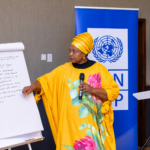



As Africa searches for new engines of growth, fashion is emerging as a powerful force at the intersection of culture, entrepreneurship and economic transformation. Zimbabwean fashion house Zanorashe offers a glimpse of how creative talent can turn identity and heritage into globally relevant brands.
TSITSI NDABAMBI
For years, discussions about Africa’s creative economy have focused largely on music, film and, more recently, digital innovation. Yet another industry is steadily expanding its influence, creating employment and shaping perceptions of the continent far beyond its borders: fashion.
Across Africa, designers are increasingly moving beyond producing garments to building brands, creating intellectual property and transforming cultural heritage into economic value. In doing so, they are contributing to a growing creative economy that is becoming an important source of jobs, entrepreneurship and soft power.
 In Harare, Zimbabwean designer Tatenda Chantelle Chidzidzi is part of that movement. Through her fashion house, Zanorashe, she is building a brand rooted in African identity while speaking to contemporary global audiences.
The unveiling of Zanorashe’s Birds of Paradise resort collection marked more than the launch of a new body of work. It represented the public emergence of a vision that has been quietly taking shape over the past decade.
“It has been ten years since I created Zanorashe, and in all that time, I have never officially launched the brand,” Chidzidzi told guests gathered for the presentation.
“I have never allowed myself to be this vulnerable or to share my work in the way I have today.”
Her remarks reflected a reality familiar to many African creative entrepreneurs. Building a sustainable brand often requires years of experimentation, investment and persistence before reaching wider recognition.
What distinguishes Zanorashe is its commitment to ownership of the creative process. Before a garment is produced, Chidzidzi first develops the textile itself, creating original prints inspired by culture, nature and memory. The clothing is then designed around the fabric, ensuring that the story begins at the source rather than being added afterwards.
The approach reflects a broader shift within Africa’s fashion industry. Increasingly, designers are seeking to own not only the finished product but also the intellectual property behind it. Rather than simply supplying inspiration to global markets, they are creating brands, designs and narratives that originate on the continent and remain under African ownership.
For policymakers and development practitioners, that distinction matters.
Creative industries generate employment, support small and medium-sized enterprises, preserve cultural heritage and contribute to national branding. They also strengthen a country’s soft power by shaping how it is perceived internationally.
The themes underpinning Birds of Paradise extended beyond fashion itself. Curated by cultural strategist Beverley Sekete, founder of Sankora, the presentation explored questions of identity, memory and belonging.
“Sankora is about cultural intelligence,” Sekete said.
“It is about looking back so that we can bring forward what is valuable and what must never be forgotten.”
The collection was accompanied by poetry, visual art and storytelling, creating an experience that positioned fashion not only as a commercial product but also as a vehicle for cultural preservation and expression.
That intersection between culture and commerce is becoming increasingly significant. Around the world, consumers are showing greater interest in authenticity, provenance and the stories behind the products they purchase. Designers who can translate local heritage into contemporary products are finding opportunities in both domestic and international markets.
For Zimbabwe, Zanorashe offers a glimpse of what becomes possible when creative talent is supported by education, partnerships and long-term vision.
Chidzidzi’s journey has taken her from Zimbabwe to Malaysia and Germany and back again, combining international exposure with a determination to create from an African centre rather than for an external audience.
The ecosystem supporting the collection also highlights the collaborative networks often required for creative industries to thrive. Contributions from organisations including the British Council, the Embassy of Switzerland and private-sector partners demonstrate the growing recognition that creativity can contribute to economic development as well as cultural expression.
As governments and development institutions continue searching for pathways to economic diversification, Africa’s creative economy is demanding greater attention. Fashion may not always dominate policy conversations, but it sits at the intersection of culture, entrepreneurship, manufacturing, tourism and international engagement.