

The Diplomat Africa
As Zambia prepares for its general elections on 13 August 2026, attention is increasingly turning to the institutions and actors that help sustain democracy beyond the campaign trail and ballot box.
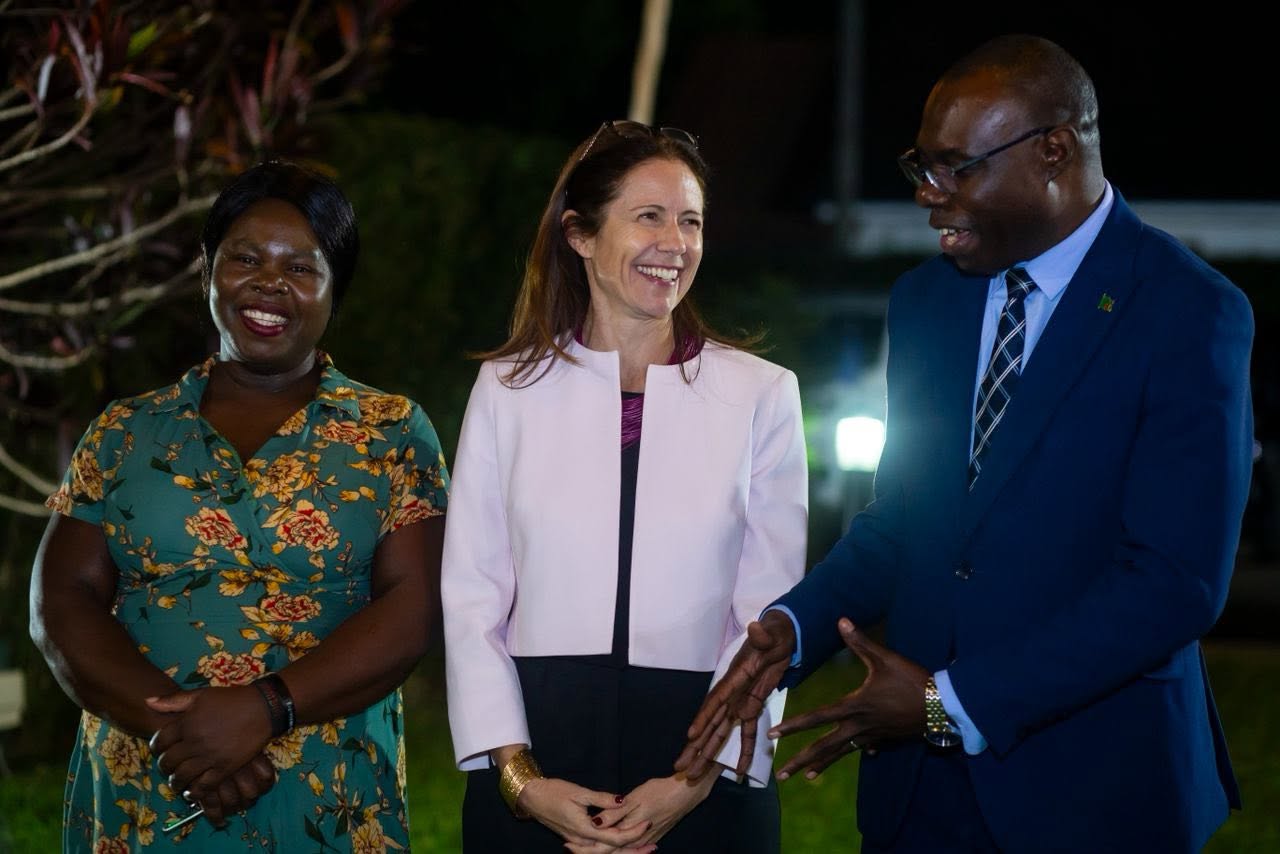
Speaking at a reception hosted for civil society organisations in Lusaka, British High Commissioner to Zambia Rebecca Terzeon highlighted the important role civic groups play in safeguarding democratic credibility, transparency and accountability.
“In this first week of Zambia’s campaign period, all eyes are on the political parties and electoral institutions,” she said.
“Tonight is about shining a spotlight on the incredibly important role that you as civil society play in ensuring the effectiveness and credibility of Zambia’s democracy.”
The event brought together representatives from civil society, governance institutions and the media at a time when Zambia is entering a critical electoral period. Discussions focused on the importance of credible institutions, open civic space, media freedoms and peaceful political participation, both online and offline.
Zambia is widely regarded as one of Southern Africa’s most stable democracies, having experienced several peaceful transfers of power since the return of multiparty politics in 1991. As the country heads towards another election, maintaining public confidence in democratic institutions will be key.
Terzeon noted that Zambia’s democratic reputation has been built over decades through active citizen participation and strong institutions.
“Historically, Zambia’s electoral credibility has come from political competition, trusted institutions and active citizens,” she said.
“Preserving that credibility is what Zambia wants – and will matter enormously in the months ahead.”
She also praised the contribution civil society organisations have made throughout Zambia’s democratic journey.
“From the reintroduction of multi-party politics, to constitutional reform debates, to election observation, Zambian civil society has consistently protected democratic space, transparency and accountability.”
As political campaigning intensifies, Terzeon said the focus should now shift from legislation to implementation, particularly in ensuring institutions operate fairly and impartially.
“The key questions now are less about the laws themselves, and more about whether the police act fairly, whether courts are trusted and impartial, whether political competition remains meaningful, and whether media, the public, the opposition and civic actors can continue to operate freely, online and offline.”
She also emphasised the importance of protecting media freedom and combating misinformation during the election period.
“A free, independent and equally accessible media environment will be essential.
“Your organisations all play an important role in ensuring that citizens have access to quality information, scrutiny and diverse voices, and to counter the risk of mis and disinformation flourishing.”
The reception reflected a growing recognition that democracy is strengthened not only through elections, but also through active citizens, independent institutions and a vibrant civil society.
As Zambia moves closer to polling day, the credibility of the electoral process will depend not only on the candidates seeking office, but also on the institutions and civic actors working to ensure the democratic space remains open, inclusive and trusted.
Or, as Terzeon reminded those gathered in Lusaka:
“The coming months will shape not only the outcome of this election, but also public confidence in Zambia’s democracy.
“Your contributions collectively will be vital.”

