

SAMANTHA MADE
When people buy a product, they are not only paying for what it does.They are also buying the reputation, trust and story attached to it.
A cup of tea, an airline ticket or a mobile service can become much more than a commercial transaction when it carries a strong identity.That identity is what separates a product from a brand — and it is increasingly becoming one of the most valuable assets in the global economy.
For African countries seeking greater economic influence, building stronger brands could be the key to moving from being suppliers of raw materials to becoming creators of global value.
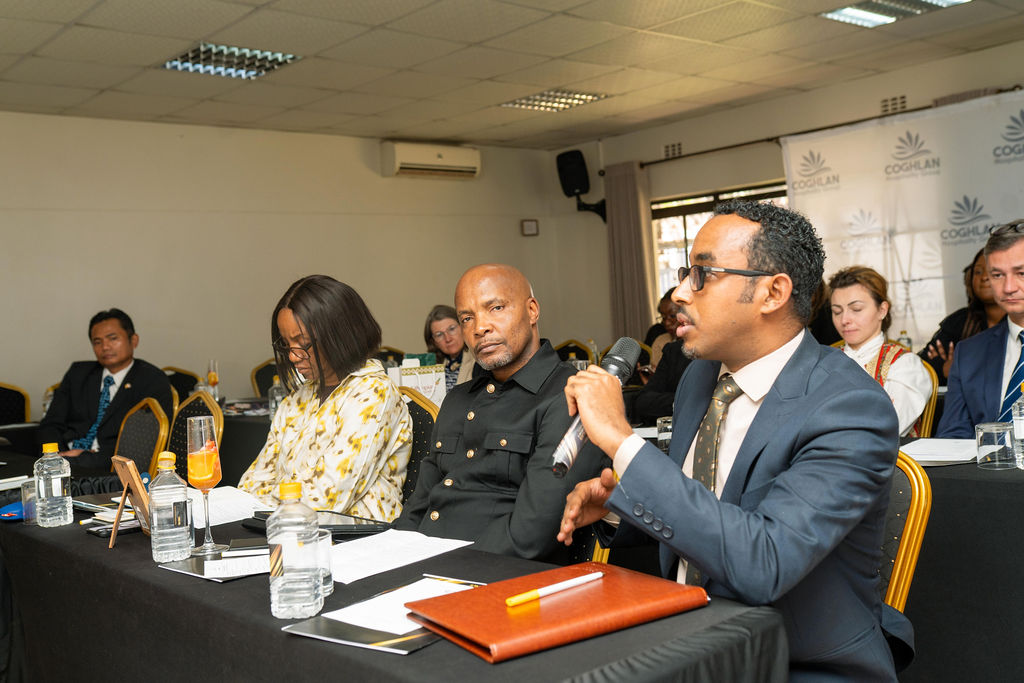
This was highlighted at the 2026 Diplomatic Luncheon Series 2, where discussions under the theme “Building Global Brands: Lessons from Leading Global and African Success Stories” explored how businesses can use branding to compete internationally.
Marketers Association of Zimbabwe CEO Gillian Rusike said brands have become powerful economic tools that influence investment decisions, consumer confidence and how countries are viewed globally.
“Brands are more than just commercial assets, they are economic ambassadors. They shape perceptions, build confidence, attract investment, create employment and influence how nations are viewed on the global stage,” Rusike said.
For many African economies, the challenge has not been the ability to produce goods, but the ability to capture more value from those goods.
A country can export a product, but without a strong brand behind it, much of the value may be created elsewhere through marketing, design and intellectual property.
Rusike said Zimbabwe illustrates this challenge.
“We export tobacco, but rarely Zimbabwean brand equity. We export tea, but not always the Zimbabwean story behind it. We export minerals, yet the highest value is often created elsewhere through branding, design and intellectual property,” he said.
Building stronger brands, he said, requires businesses to understand that consumers are not only interested in what they buy, but also what a brand represents.
According to Rusike, strong brands are built on trust. They tell consumers what they can expect and create confidence over time.
Rusike said companies that achieve global recognition are those that consistently deliver quality while creating a meaningful connection with their customers.
He pointed to Zimbabwean companies such as Econet, Tanganda, Mazoe and Dairibord as examples of local brands that have built strong emotional connections with consumers.
“These brands demonstrate that Zimbabwe already possesses the foundations upon which global brands can be built,” he said.
However, he noted that becoming globally competitive requires more than having a good product.
“The world’s greatest brands do not simply sell products. They champion a purpose,” Rusike said.
A clear purpose helps companies stand out in crowded markets because customers increasingly connect with brands based on values, reliability and identity.
Ethiopian Airlines demonstrates how an African brand can grow beyond its home market and achieve global recognition.Country Manager Eyob Mulugeta said the airline’s success has been built on consistency, quality and a strong connection to its African roots.
“Throughout our 80 years of journey, the Ethiopian Airlines brand has been consistent with the quality of services that it offers with minimal changes to its visual branding,” he said.
He explained that successful brands are built through reputation and emotional connection.
“A global brand is not just a logo, a slogan, or a product. It reflects the reputational, trust-based and emotional effect of an organisation,” Mulugeta said.
The airline’s identity, he said, has been shaped by combining Ethiopian and Pan-African values with international standards.
“Our brand identity held an Ethiopian and Pan-African root at its core. We combined our local element, which is the Ethiopian and African hospitality, with global standards to deliver a unique and memorable passenger experience,” he said.
For Africans, he added, Ethiopian Airlines represents more than aviation.
“For us, the African community, Ethiopian Airlines is more than a business entity; it represents possibilities and hope,” Mulugeta said.
The value of branding extends beyond companies to entire destinations. President of the Hospitality Association of Zimbabwe, Emmah Kativu said countries that build strong tourism brands are better positioned to attract visitors, investment and international partnerships.
“From a tourism perspective, building a global brand is not simply about logos or marketing campaigns. It is about shaping a compelling, consistent narrative about a destination that resonates across borders,” Kativu said.
She noted that trust and credibility are particularly important in tourism, where travellers often choose destinations they perceive as safe, welcoming and reliable.
Kativu said strong destination brands create value across the economy by increasing visibility for businesses that depend on tourism.
“A powerful national tourism brand uplifts the entire value chain — from airlines and hotels to tour guides, artisans and informal operators. When the destination brand grows, local businesses benefit from greater visibility and market access,” she said.
Beyond attracting visitors, Kativu said tourism branding contributes to nation branding and economic transformation by positioning countries more competitively on the global stage.
As the African Continental Free Trade Area creates opportunities for businesses to access a market of more than one billion people, competition will increasingly depend on who can build brands that consumers trust.
Rusike said African companies must focus on creating brands that can travel beyond borders.
“The companies that will benefit most from AfCFTA will not simply move products across borders. They will move trusted brands across borders,” he said.
The message from the discussion was clear: Africa’s economic future will not only depend on what it produces, but on how it presents those products and services to the world.
Building stronger brands means investing in innovation, protecting intellectual property, maintaining quality and telling authentic stories.
For countries like Zimbabwe, the opportunity lies in transforming existing strengths into globally recognised brands — brands that do not just sell, but represent confidence, identity and value on the world stage.