

At Beitbridge, every bus carries more than passengers. It carries families searching for a fresh start, communities preparing to welcome them and a country discovering that its greatest response to crisis lies not in the numbers, but in the dignity, compassion and hope extended to those coming home.
SIRAK GEBREHIWOT
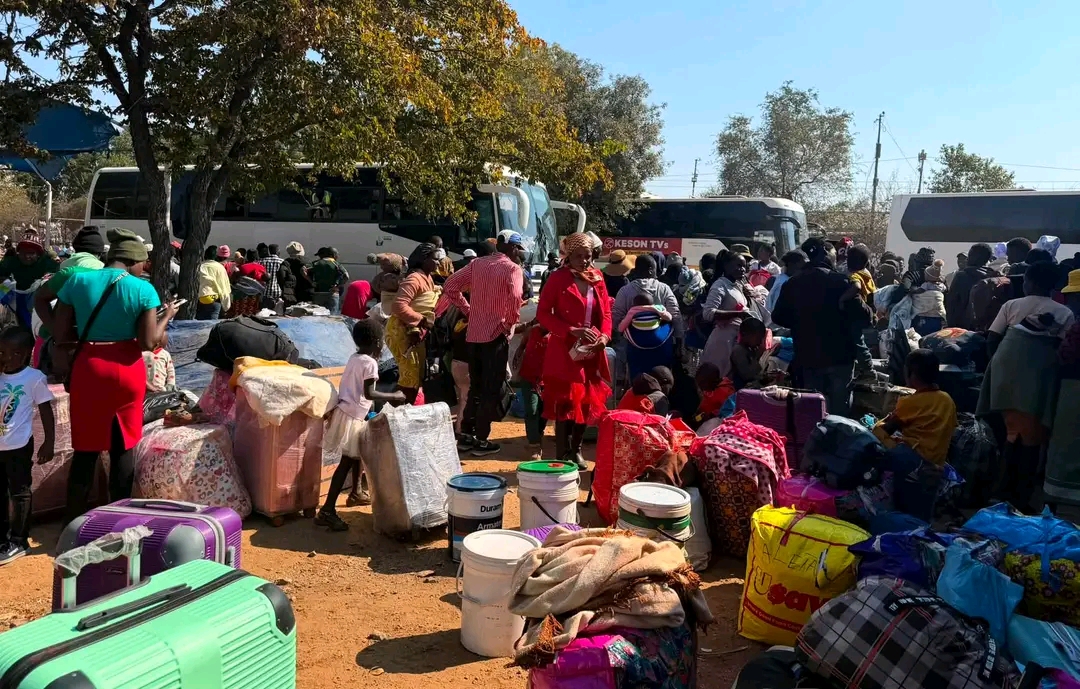
Children pressed their faces against bus windows, clutching school satchels that now carried more memories than books. Mothers balanced sleeping infants on their laps. Young men stared ahead in silence, wondering what life would look like after crossing the border.
For tens of thousands of Zimbabweans returning from South Africa, Beitbridge has become more than a border post. It is the place where uncertainty meets hope, where journeys marked by hardship begin again, and where families take their first steps towards rebuilding their lives.
 More than 100,000 Zimbabweans have returned home in recent weeks, making this one of the country’s largest organised return operations. While the numbers are significant, those leading the response insist the story is ultimately about people, not statistics.
Honourable Daniel Garwe, Minister of Local Government and Public Works, captured that message during a visit to the Beitbridge Reception Centre.
“The arrival at Beitbridge is not the end. It is the point to start from. Let us receive our brothers and sisters. These are our relatives. They can never be looked at as a burden. Let us open our arms and welcome them, reintegrate them in our communities.”
Standing alongside Minister Garwe were United Nations Resident Coordinator Dr Rosemary Kalapurakal, representatives of UN agencies, civil society organisations, faith leaders, private sector partners and volunteers. Together, they reinforced a shared commitment to ensure every returnee is received with dignity and given the opportunity to rebuild.
For Dr Kalapurakal, visiting the reception centre transformed policy discussions into human realities.
“The trends and numbers take on a very different meaning. They become real people: mothers carrying children, young people worried about opportunity, families returning home with a few bags and many uncertainties about what comes next.”
Among those returning was a mother who had left Zimbabwe 15 years ago in search of work in Johannesburg. She came back with three children and a single suitcase, uncertain where they would live or whether her children would return to school.
Instead of facing that uncertainty alone, she found a coordinated support system. Officials guided her through registration, health workers examined her children, social welfare officers confirmed that her family was together, while volunteers helped her access food, shelter, communication services and counselling.
The response extends well beyond immediate humanitarian assistance.
Government has adopted a three-pillar reintegration strategy focusing on social, economic and cultural reintegration. The approach aims to ensure returnees obtain identity documents, access healthcare and education, reconnect with social protection systems and find opportunities to use the skills they acquired abroad. Traditional leaders, churches and communities are also playing a role in helping families reconnect and rebuild a sense of belonging.
Economic reintegration has become a central priority.
Officials from the Ministry of Skills Audit and Development have already profiled more than 15,000 returnees, documenting expertise ranging from agriculture and construction to hospitality, transport and domestic services. Rather than viewing returnees solely as beneficiaries of assistance, Government sees them as contributors who can help strengthen Zimbabwe’s economy and communities.
Managing a movement of this scale has required an unprecedented level of coordination.
Government ministries are working alongside the United Nations, humanitarian organisations, churches, philanthropists, civil society groups and local volunteers to provide transport, food, healthcare, child protection, psychosocial support, sanitation and emergency shelter. The response reflects a whole-of-government and whole-of-society approach to one of the country’s most significant humanitarian operations.
Inside the reception centre, dignity is restored through everyday acts of compassion.
Families receive hot meals, medical care and hygiene supplies. Donations are carefully managed to ensure fairness and accountability. One of the most emotional moments comes at the Red Cross communication booth, where returnees are offered a free phone call home.
For one man who had not spoken to his family for years, the conversation began with a single word:
“Ndadzoka.” I am back.
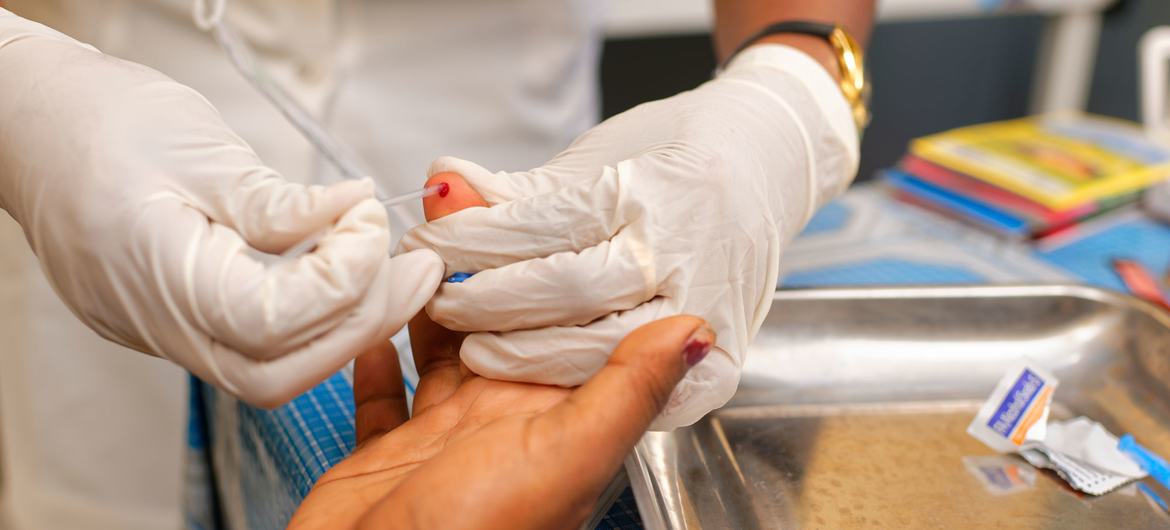
Health teams have treated more than 1,400 patients, including women, children and people requiring ongoing treatment for chronic illnesses. Medical teams are working not only to meet immediate health needs but also to ensure continuity of care once families return to their home districts.
Despite the progress, the challenge remains immense. Reception facilities continue to face pressure as more families arrive, increasing demand for transport, shelter, food, healthcare, sanitation and protection services. Government and the United Nations have jointly appealed for additional support to sustain the response and ensure returnees can rebuild their lives with dignity.
For the families stepping off buses at Beitbridge each day, hope is found in simple moments: a hot meal after a long journey, a child receiving medical attention, a phone call home, or a bus ticket that carries them to the next chapter of their lives.
Sirak Gebrehiwot is UN Partnerships and Development Finance Advisor at the UN Resident Coordinator’s Office in Zimbabwe

