


TAURAI MHAKA
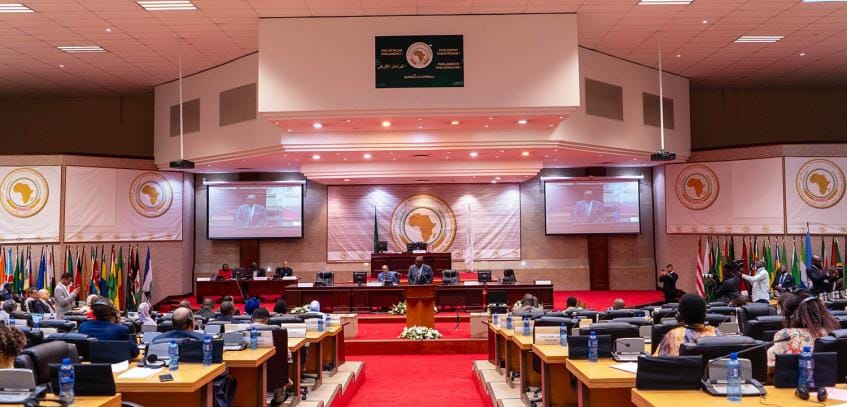
The Pan-African Parliament was established to connect African citizens with continental governance, but its limited powers and indirect system of representation continue to raise questions about how effectively it fulfils that responsibility.
Colletta Musara, a PhD candidate at Tilburg University, social entrepreneur, business administration expert and university lecturer at Bindura University of Science Education, has added her voice to the debate over the Parliament’s role.
Writing on her LinkedIn page, Musara questions whether PAP provides an effective channel through which ordinary Africans can communicate their grievances, demand accountability and influence continental policy.
“The PAP was conceived as more than another continental bureaucracy. Its mandate speaks to human rights, democracy, good governance, accountability, peace and security, economic integration and, importantly, the participation of African peoples in the affairs of the continent.
“Yet this raises a fundamental question: To what extent does PAP provide an effective mechanism through which ordinary Africans can articulate their grievances, demand accountability and influence continental policy?” she writes.
Musara points to xenophobia, gender-based violence, political instability, disputed elections, constitutional changes, democratic decline, insecurity and economic exclusion as challenges with consequences beyond individual countries.
The Pan-African Parliament was established as an organ of the African Union to promote public participation in the continent’s development and integration. It is also expected to advance human rights, democratic governance, accountability and the harmonisation of national legislation.
However, PAP continues to operate mainly through consultative, advisory and budgetary oversight powers. Its long-term objective is to become a fully legislative institution.
“Can a continental parliament meaningfully promote democracy and human rights if its capacity to compel compliance remains limited?” Musara asks.
“On paper, PAP is expected to strengthen democratic institutions, promote good governance, encourage accountability and contribute to the harmonisation of legislation. In practice, however, its ability to translate these principles into enforceable outcomes is constrained by the broader architecture of the African Union.”
PAP representatives are selected through national legislatures rather than directly elected by African citizens. Musara argues that this arrangement raises questions about the relationship between citizens and the institution expected to represent their continental interests.
“If PAP is intended to represent the peoples of Africa, how can we strengthen the direct relationship between African citizens and the institution that claims to represent their continental interests?
“What mechanisms exist for a woman experiencing gender-based violence to have her concerns translated into continental political action? How does a continental parliament respond when xenophobia threatens African solidarity? How effectively does PAP intervene when political instability, conflict or constitutional manipulation undermines democratic governance?” she asks.
Musara also connects the Parliament’s role to unemployment, migration, unequal economic opportunities and the movement of labour across African borders.
“Pan-Africanism cannot remain only an institutional aspiration. It must be experienced by the African citizen,” she writes.
“African unity must mean more than summits, protocols, parliamentary sessions and policy documents. It must translate into greater political accountability, human security, economic opportunity, mobility, dignity and meaningful participation.”
She concludes that examining PAP’s limitations is not about dismissing the institution, but determining whether it can become “a genuine bridge between African citizens and continental governance”.
[Read Colletta Musara’s full reflection on LinkedIn](https://www.linkedin.com/pulse/pan-african-parliament-really-voice-african-citizens-colletta-musara-lperf?utm_source=share&utm_medium=member_android&utm_campaign=share_via)