

As Zambia marks 30 years of a breakthrough treatment for severe wasting, the milestone highlights both progress and the growing challenges facing African children
By Eugene Uwimana
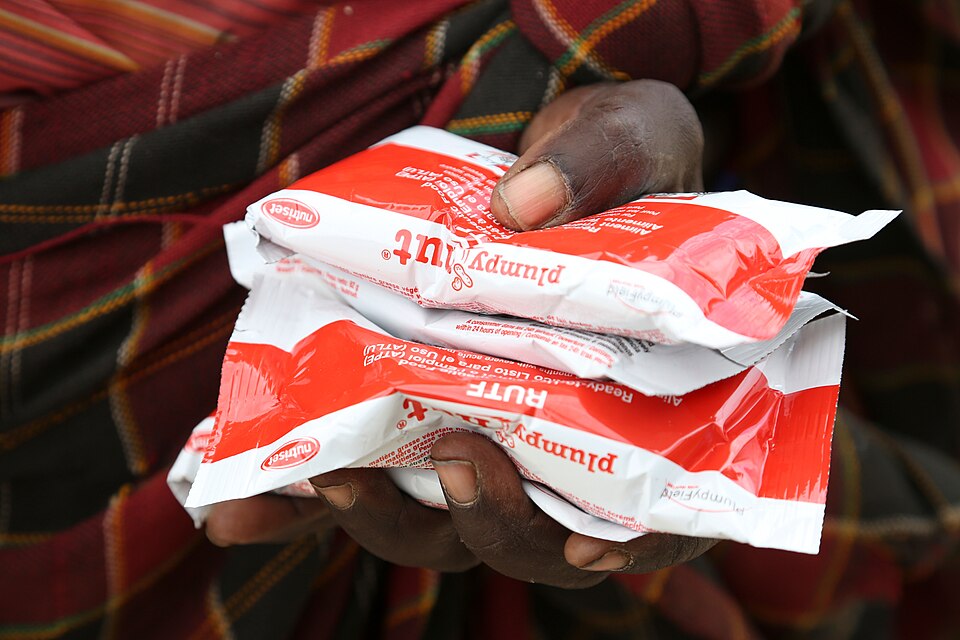
In health centres across Zambia, a small foil sachet is helping save lives.
Containing a nutrient-rich peanut paste fortified with milk powder, vitamins and minerals, Ready-to-Use Therapeutic Food (RUTF) has transformed the treatment of severe acute malnutrition, one of the leading causes of preventable child deaths worldwide.
This year marks 30 years since the introduction of the therapeutic food that revolutionised the fight against severe wasting, allowing children to be treated at home rather than in hospital and dramatically increasing survival rates.
For Zambia, the anniversary comes at a critical moment.
Climate-induced droughts, rising food insecurity and economic pressures continue to place thousands of children at risk of malnutrition, underscoring both the success of the innovation and the challenges that remain.
A simple innovation with a global impact
Before the introduction of RUTF in 1996, treating severe wasting often required prolonged hospital stays, specialised care and resources that were frequently inaccessible to families living in remote communities.
The introduction of the peanut-based therapeutic food changed that model entirely.
Because it requires no refrigeration, no preparation and no clean water, children suffering from severe wasting can receive treatment at home under the supervision of community health workers.
Today, it remains the World Health Organization’s recommended outpatient treatment for severe wasting, the deadliest form of malnutrition among children.
Reflecting on the milestone, UNICEF Zambia Representative Dr Saja Farooq Abdullah described the innovation as one of the most significant breakthroughs in child nutrition over the past three decades.
“For 30 years, Ready-to-Use Therapeutic Food has helped transform the treatment of severe wasting, bringing lifesaving care closer to children and families who need it most,” she said.
“This small sachet has transformed the way treatment is delivered, placing care directly into the hands of families and communities.”
Globally, millions of children have recovered from severe wasting through treatment programmes built around RUTF.
Recovery rates frequently exceed 90 per cent when treatment is delivered early and consistently, making it one of the most effective interventions in child survival.
The climate challenge facing Zambia
The anniversary is being observed against a backdrop of growing nutrition concerns across southern Africa.
Recent droughts linked to the El Niño weather phenomenon have disrupted agricultural production, reduced household food supplies and increased vulnerability among children.
Zambia has been among the countries hardest hit.
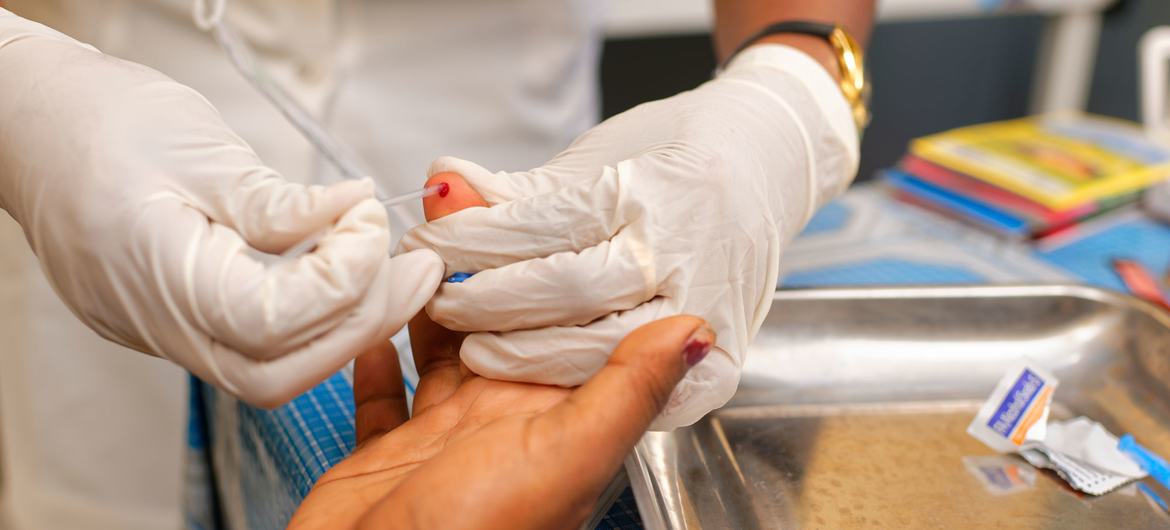
According to UNICEF, more than 300,000 children are expected to suffer from wasting in 2026, including more than 60,000 cases of severe wasting requiring urgent treatment.
To respond to the crisis, UNICEF supported the screening of more than 2.5 million children for wasting in 2025 and assisted in the treatment of over 106,000 children affected by acute malnutrition.
Between 2023 and 2025, nearly 12.6 million sachets of RUTF were delivered across Zambia as part of emergency nutrition interventions.
Dr Abdullah warned that the pressures facing vulnerable households are becoming increasingly complex.
“As climate shocks, food insecurity and economic pressures continue to affect families, we must remain committed to ensuring that every child who needs treatment can access it.”
“The gains we have made over the past three decades demonstrate what is possible when governments, communities and partners work together.”
Her comments reflect a growing concern among health and development experts that climate change is increasingly becoming a child nutrition issue.
Across Africa, extreme weather events are affecting food systems, household incomes and agricultural productivity, increasing the risk of malnutrition among children.
Beyond emergency response
While RUTF has become one of the world’s most successful nutrition interventions, experts stress that treatment alone cannot solve the problem of child malnutrition.
The underlying causes remain deeply rooted in poverty, food insecurity, inadequate healthcare, poor maternal nutrition and climate vulnerability.
UNICEF argues that stronger nutrition systems, early detection programmes and community-based healthcare services are essential to preventing children from reaching life-threatening stages of malnutrition.
The organisation has also emphasised the need for sustained investment in climate resilience and food security programmes that address the root causes of hunger.
For development practitioners, the story of RUTF offers an important lesson.
A simple innovation can save lives, but lasting progress requires stronger systems.
A milestone worth celebrating — and building upon
The 30-year anniversary is undoubtedly a moment of celebration.
Since 2003 alone, UNICEF has procured and distributed billions of sachets of therapeutic food worldwide, helping millions of children recover from severe wasting.
Yet the milestone is also a reminder that the work is far from finished.
Millions of children across Africa continue to face the threat of malnutrition, particularly in regions vulnerable to climate shocks and food insecurity.
Dr Abdullah believes the anniversary should serve not only as a reflection on past achievements but also as a call to action.
“Every child deserves the opportunity to survive, grow and reach their full potential,” she said.
“As we celebrate 30 years of this lifesaving innovation, we must continue investing in nutrition services and strengthening systems that protect children from malnutrition.”
Thirty years after a simple peanut-based paste changed the treatment of severe wasting, the challenge facing Africa is no longer proving that the solution works.
It is ensuring that every child who needs it can access it in time.

