


UNEP
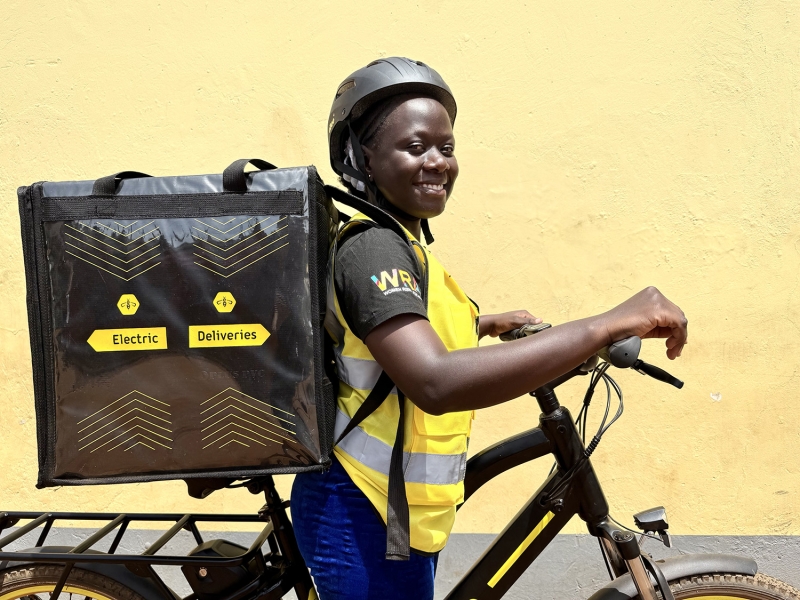
As dawn breaks over Kampala, Uganda’s bustling capital, Dorothy Namawejje adjusts her helmet, starts her electric motorcycle and joins the stream of commuters heading into the city.
Just a few years ago, she worked as a traffic warden. Today, she earns a living as a motorcycle taxi operator, a profession long dominated by men.
But for Namawejje, the transformation is about more than a new source of income.
“Before, I feared the road. Now, I own my future,” she says.
Across East Africa, stories like hers are becoming increasingly common as electric mobility begins to reshape not only transportation systems but also livelihoods, gender dynamics and public health outcomes.
While much of the global conversation around electric vehicles focuses on reducing carbon emissions, the experience emerging from Kenya and Uganda demonstrates that the transition can deliver far-reaching social and economic benefits. For many women, electric mobility is opening doors to professions previously considered inaccessible. For cities struggling with pollution, it offers a cleaner future. And for governments seeking inclusive growth, it presents an opportunity to tackle multiple challenges simultaneously.
More than a transport solution

Motorcycles are the lifeblood of transport networks across much of Africa.
More than 20 million motorcycles operate across the continent, connecting people to jobs, markets, schools and health services. Yet the vast majority run on petrol, contributing significantly to urban air pollution and greenhouse gas emissions.
The consequences are severe.
In Kampala alone, outdoor air pollution contributed to more than 7,200 premature deaths over a recent four-year period, according to researchers. Across the continent, rapidly growing cities continue to grapple with deteriorating air quality, traffic congestion and rising fuel costs.
“Air pollution is the leading environmental cause of premature death,” says Sheila Aggarwal Khan, Director of the Industry and Economy Division at the United Nations Environment Programme (UNEP). “Electrifying fleets is a vital step for improving public health – and saving lives.”
The challenge, however, extends beyond emissions.
In countries such as Uganda, women account for less than one per cent of motorcycle taxi operators. The transport sector has historically remained one of the least accessible industries for women, constrained by cultural norms and limited training opportunities.
That reality is beginning to change.
Empowering women through clean technology
Through a UNEP-supported initiative in Kenya and Uganda, more than 100 women have received training as electric motorcycle operators, mechanics, solar energy technicians and entrepreneurs.
The programme is helping participants acquire technical skills while building confidence and creating new income streams.
In Homa Bay, Kenya, on the shores of Lake Victoria, 27-year-old Carine Akoth is among those benefiting from the initiative.
A mother of two, she had never considered a future in vehicle assembly.
“Before this training, I had never even touched a motorbike – let alone imagined assembling one,” she says.
Today, Akoth is planning to establish her own electric motorcycle repair business.
Her story reflects a wider shift taking place across the region, where women are increasingly entering sectors traditionally reserved for men.
At the same training centre, Hellen Atieno discovered a passion for renewable energy.
“Learning about solar panels and battery systems has opened my eyes to the world of clean energy,” she says. “I used to believe this field was only for men, but now I see that women can lead and excel here too.”
The impact extends well beyond technical training.
For many participants, the programme represents economic independence, increased household income and greater decision-making power within families and communities.
Breaking stereotypes one rider at a time
Despite growing momentum, barriers remain.
In Kenya, women account for only around five per cent of electric vehicle drivers. Deep-rooted cultural attitudes continue to discourage female participation in the transport industry, and some women have reportedly abandoned training programmes due to family pressure.
Yet those who persevere are helping to redefine perceptions.
“We are confronting the deep-rooted gaps in gender inclusion, opening doors to real opportunities that were previously out of reach and reshaping what’s possible for women in Africa,” says Liliane Felix, Director of Women Rising for Africa and creator of the Women on Wheels initiative.
Every woman who takes control of an electric motorcycle, repairs a battery system or launches a clean energy enterprise challenges long-standing assumptions about who belongs in the transport and technology sectors.
The visibility of these pioneers is creating a ripple effect, inspiring other women and girls to pursue careers previously considered unattainable.
An economic case for electric mobility
The growth of electric motorcycles is not being driven by environmental concerns alone.
Economics is proving equally persuasive.
Electric motorcycle manufacturer Zembo estimates that riders can save approximately US$500 annually on fuel costs compared to conventional petrol-powered bikes.
For drivers operating on tight margins, those savings can make a substantial difference to household finances.
The technology is gaining traction at a remarkable pace. According to the International Energy Agency, sales of electric motorcycles in Africa increased by 40 per cent in 2024, despite electric motorcycles still accounting for less than one per cent of the continent’s total motorcycle fleet.
Experts believe this growth could accelerate even further.
“Africa isn’t waiting for charging infrastructure to leapfrog into electric mobility – it’s pioneering its own model,” says Rob De Jong, Head of UNEP’s Sustainable Mobility Unit. “Swappable batteries, local manufacturing, and sheer economic logic will drive this transition faster than sceptics expect.”
For countries such as Kenya and Uganda, where much of the electricity supply already comes from renewable sources, electric motorcycles also offer an opportunity to reduce dependence on imported fossil fuels while strengthening energy security.
A cleaner future within reach
The significance of electric mobility extends beyond individual riders.
Transport remains the world’s second-largest source of greenhouse gas emissions after the power sector. As African cities continue to expand, decisions made today about transport systems will shape air quality, public health and economic competitiveness for decades to come.
The experiences of women like Dorothy Namawejje illustrate how climate solutions can deliver immediate and tangible benefits.
Back in Kampala, another electric motorcycle rider, Natumbwe Veronica, says the work has enabled her to provide for her five children, covering food, housing and school fees.
Meanwhile, fellow rider and tour guide Nattabi Ruth believes the growing presence of women in the sector is helping to change attitudes.
“People think women don’t have experience,” she says. “But we’re proving them wrong every day.”